


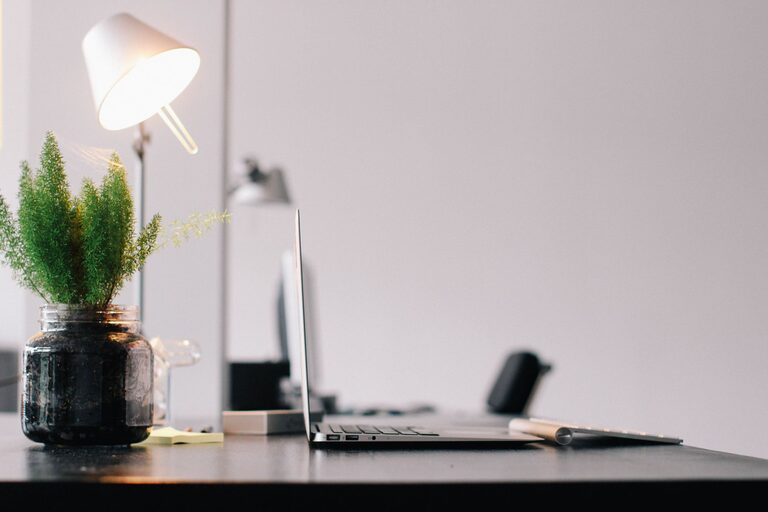
Creating a productive home office environment can make a significant difference in your work quality and overall well-being. Whether you work remotely full-time or occasionally need a dedicated workspace, the right setup helps you stay focused, reduce distractions, and feel comfortable throughout the day. This guide shares helpful tips for building an effective home office that supports your productivity.
Choose the Right Location
The first step in creating a productive home office is selecting an appropriate space. Ideally, find a quiet area away from high-traffic zones in your home to minimize interruptions. If possible, use a separate room with a door you can close. This helps mentally separate work time from personal time.
If a separate room isn’t an option, choose a corner or nook that feels comfortable and can be designated solely for work. Using room dividers or privacy screens can also help create a defined workspace.
Invest in Ergonomic Furniture
Comfort plays a crucial role in productivity and focus. Invest in an ergonomic chair that supports your back and encourages good posture. Sitting for long hours can lead to discomfort or strain, so a quality chair is worth the investment.
Pair this with a desk at the proper height — not too high or low — to prevent strain on your neck and wrists. Adjustable desks or sit-stand desks are great choices if your budget allows, as they let you change positions throughout the day.
Optimize Lighting
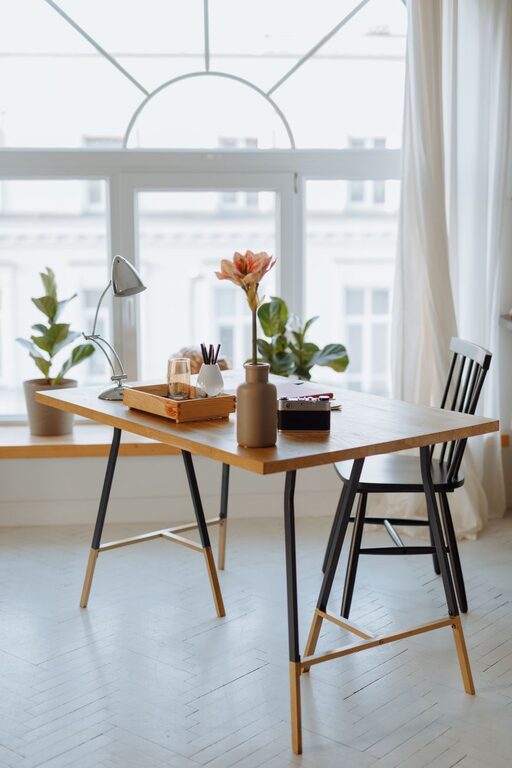
Proper lighting reduces eye strain and helps keep you alert. Natural light is best, so position your desk near a window if possible. However, avoid glare on your computer screen by adjusting blinds or curtains and arranging your desk so light comes from the side.
Supplement natural light with quality task lighting such as an adjustable desk lamp. Use bulbs with a daylight spectrum (around 5000K) to simulate natural light and create an energizing environment.
Keep the Space Organized
An organized workspace is easier to focus in and keeps distractions at bay. Use storage solutions like shelves, filing cabinets, or desk organizers to keep supplies, papers, and equipment tidy. Regularly declutter your desk and digital files to maintain order.
Developing simple daily habits, like putting away items at the end of each workday, helps maintain a clean and welcoming environment every morning.
Minimize Distractions
Limiting distractions sets the stage for deep focus. Consider noise-canceling headphones if ambient noise is a problem. Communicate your working hours with family or roommates to reduce interruptions.
Turn off non-essential notifications on your phone and computer to avoid constant disruptions. Using apps or browser extensions that block distracting websites during work hours can also be useful.
Personalize Your Workspace
Adding personal touches can make your workspace more inviting and motivate you to spend time there. This can be plants, artwork, photos, or preferred colors. Just ensure the personalization doesn’t clutter your area or distract you.
Plants especially have the added benefit of improving air quality and helping reduce stress, contributing to a healthier workspace.
Use Technology Wisely
Equip your home office with reliable technology. A fast internet connection, good-quality webcam, microphone, and keyboard can improve your efficiency and comfort.
Keep software regularly updated and consider tools like task managers, calendars, and communication platforms that help organize your work and collaborate with others seamlessly.
Take Breaks and Move
An often-overlooked aspect of productivity is taking regular breaks and moving your body. Sitting too long can cause fatigue and reduce concentration. Try the Pomodoro Technique: work for 25 minutes, then take a 5-minute break to stretch or walk around.
Standing or stretching during breaks refreshes your body and mind, helping you maintain energy throughout the day.
Set Clear Boundaries
Establishing boundaries between work and personal life is essential in a home office setup. Define your working hours and try to stick to them, signaling to yourself and others when you are “at work” and when you are off.
Having a clear end to your workday helps prevent burnout and ensures you can relax and recharge.
—
By carefully crafting your home office environment with these tips, you’ll create a space where productivity thrives, and work feels less like a chore. Remember, your ideal workspace should support both your physical comfort and your focus, so feel free to adjust your setup as your needs evolve. Happy working!