


Creating a productive home office space is essential for anyone working remotely or managing tasks from home. A well-designed workspace not only helps you stay focused but also supports your health and overall efficiency. Whether you’re setting up a brand-new area or improving an existing one, these tips will guide you in creating a space that motivates and inspires.
Choose the Right Location
Selecting the ideal spot in your home for your office is the first step.
– Quiet and Low-Traffic Area: Find a place where you can minimize distractions from family members, pets, or household noises.
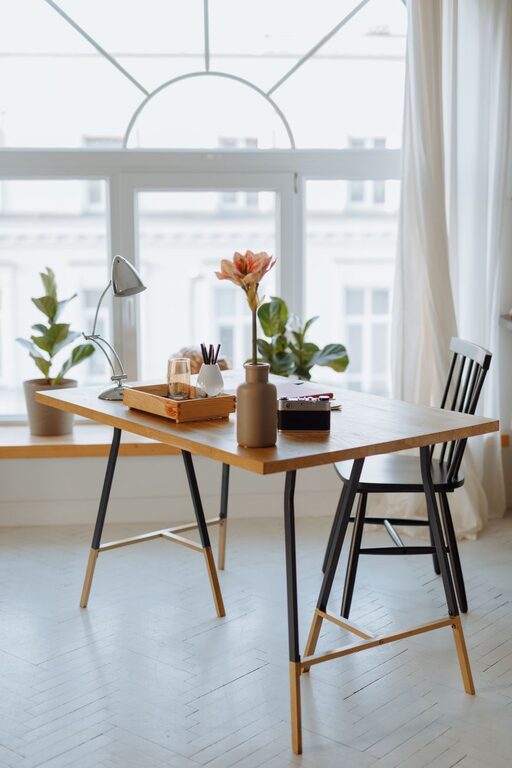
– Natural Light: A space near a window offers daylight, which can boost mood and energy levels.
– Privacy: If possible, choose a location with a door or some form of separation from the rest of your home.
Invest in Comfortable and Ergonomic Furniture
Your chair and desk play a major role in your comfort and health.
– Ergonomic Chair: Choose a chair that supports your lower back and encourages good posture.
– Adjustable Desk: If possible, use a desk with adjustable height or consider a standing desk option to alternate between sitting and standing.
– Proper Monitor Height: Position your computer screen so the top is at or just below eye level to reduce neck strain.
Organize Your Workspace Efficiently
A clutter-free space helps maintain focus and reduces stress.
– Declutter Regularly: Keep essential items on your desk and store others away.
– Storage Solutions: Use shelves, filing cabinets, or desk organizers to keep papers and office supplies in order.
– Cable Management: Use clips, ties, or under-desk trays to keep wires tidy and untangled.
Optimize Lighting
Proper lighting reduces eye strain and increases concentration.
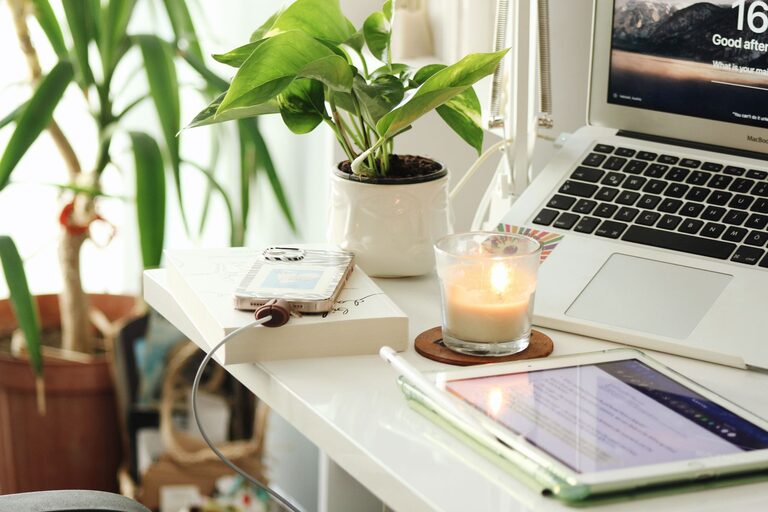
– Use Multiple Light Sources: Combine natural light with task lighting such as desk lamps.
– Avoid Glare: Position your monitor and lighting to prevent reflections or direct glare.
– Adjust Brightness: Select bulbs that provide bright, but not harsh, light.
Personalize Your Space Wisely
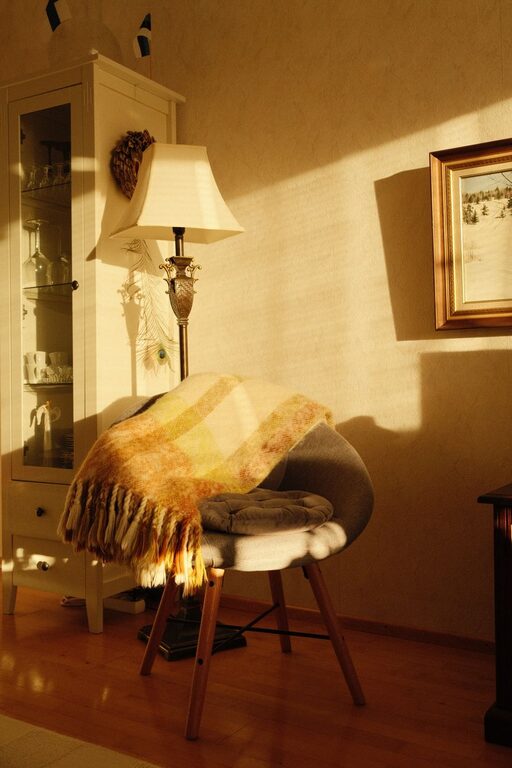
Adding personal touches can make your workspace inviting, but avoid overdecorating.
– Inspiring Items: Add a few items that motivate you, like photos, artwork, or plants.
– Greenery: Small indoor plants improve air quality and create a calming atmosphere.
– Keep It Simple: Too many decorations can become distracting; aim for balance.
Establish Boundaries Between Work and Home Life
Setting clear limits helps improve work-life balance.
– Defined Work Hours: Stick to a schedule that separates your working time from personal time.
– Workspace Separation: Use your office only for work-related tasks if possible, to mentally separate work from leisure.
– Communicate: Let family members or housemates know your work hours to reduce interruptions.
Utilize Technology Wisely
Make your work easier with the right tools and good tech habits.
– Reliable Internet: Ensure you have a strong, stable internet connection.
– Efficient Hardware: Use devices that can handle your workload smoothly.
– Backup Plans: Regularly back up important files and have a plan for technical issues.
Incorporate Break Areas and Movement
Encourage breaks and physical activity during your workday.
– Designate a Relaxing Spot: If space allows, set up a small area for stretching or short breaks.
– Movement Reminders: Use timers or apps to remind yourself to stand, stretch, or walk regularly.
– Exercise Equipment: Consider simple tools like resistance bands or a yoga mat for breaks.
Maintain Cleanliness and Air Quality
A clean environment supports concentration and well-being.
– Regular Cleaning: Dust and vacuum frequently to reduce allergens.
– Air Circulation: Open windows or use air purifiers to keep the air fresh.
– Avoid Overheating: Keep your space at a comfortable temperature.
Develop a Routine and Stay Organized
Having a consistent routine can boost your productivity significantly.
– Daily Planning: Start each day by outlining key tasks and priorities.
– Time Management Techniques: Try methods like the Pomodoro Technique or time blocking.
– End-of-Day Ritual: Close your workday by organizing your desk and planning for tomorrow.
—
By thoughtfully designing your home office with these tips, you can create a productive environment that supports your goals and well-being. Remember, the best workspace reflects your individual needs and preferences, so feel free to adjust these suggestions to fit your lifestyle. Happy working!